

Once teetering on the brink of extinction, the Iberian lynx (Lynx pardinus) is staging one of Europe’s most remarkable wildlife comebacks — and southern Portugal is at the heart of the story. This elusive feline, with its tufted ears and piercing stare, has become a living symbol of conservation success and ecological resilience. For travelers venturing into the cork oak savannas of the Alentejo, a lynx sighting is the rarest and most unforgettable of encounters.
What Sets the Iberian Lynx Apart?
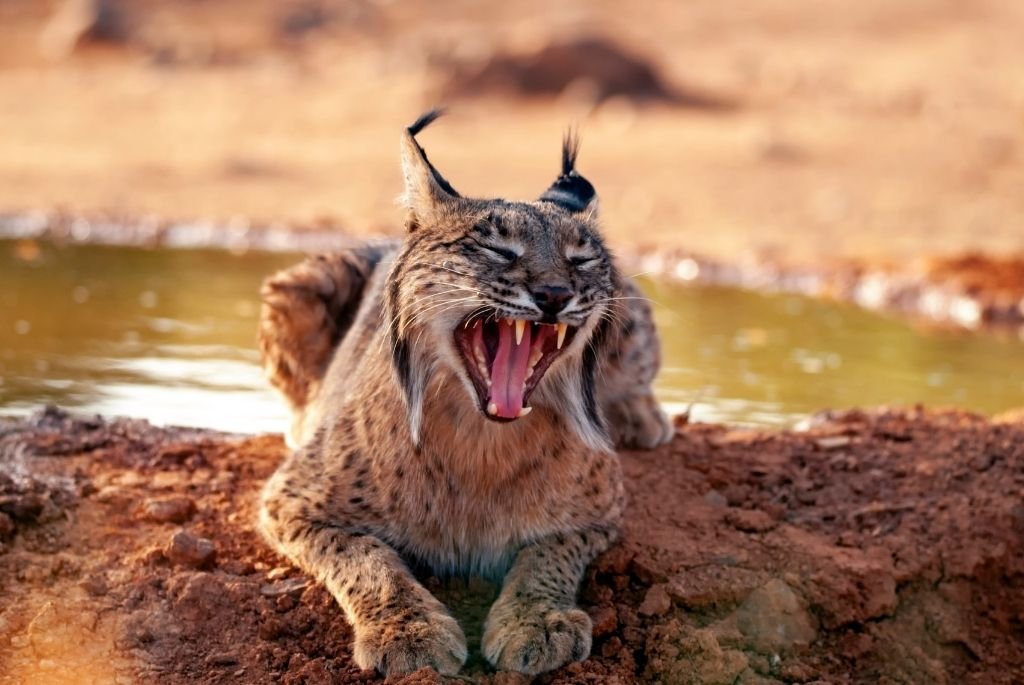
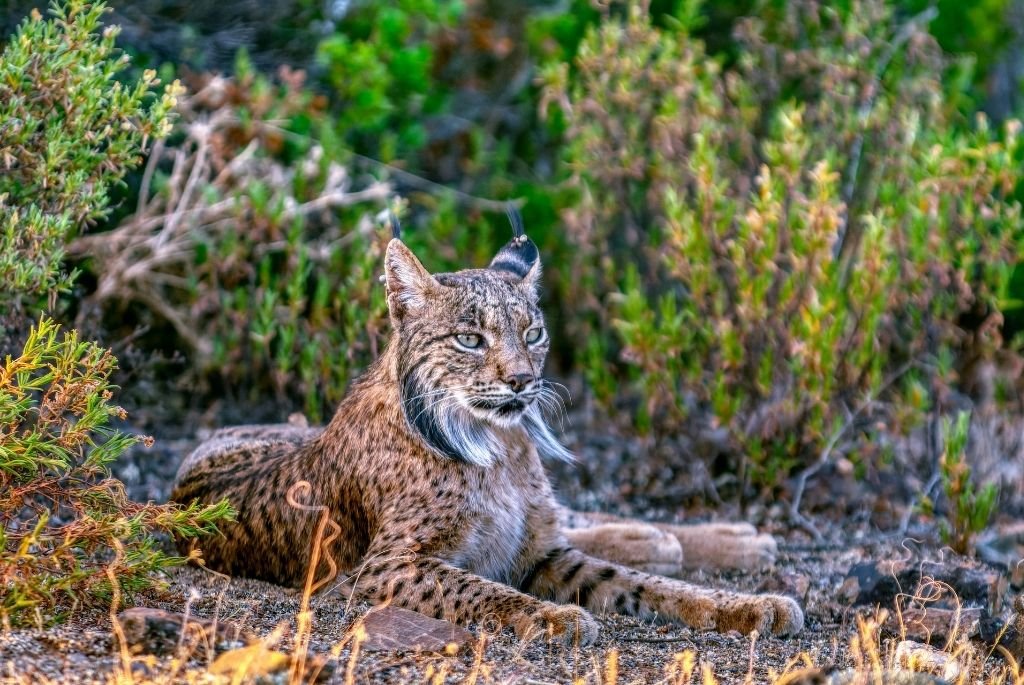
The Iberian lynx is the world’s most endangered wild cat species, but also one of its most distinctive. Slightly smaller than its Eurasian cousin, this lynx sports bold spotted fur, black-tipped ears, a short bobbed tail, and a striking facial ruff that gives it a fierce, bearded look.
Native only to the Iberian Peninsula, the lynx was once widespread across Spain and Portugal. But by the early 2000s, habitat loss, road mortality, and a sharp decline in rabbit populations had driven it to near extinction, with fewer than 100 individuals remaining in the wild. Thanks to one of the most ambitious feline conservation efforts ever launched in Europe, that number has steadily grown — and Portugal has played a critical role.
Where Do Iberian Lynxes Live in Portugal?
Today, the lynx’s best hope lies in the Guadiana Valley Natural Park, near Mértola in southeastern Portugal. This rolling landscape of Mediterranean scrub, ancient olive trees, and sun-warmed limestone slopes is the perfect habitat for lynx: quiet, lightly populated, and full of rabbits — their primary prey.
Between 2015 and 2025, dozens of lynx have been released here through a carefully managed reintroduction program. Wildlife corridors, protected zones, and breeding centers have helped this population grow, slowly but steadily. Though still rare, lynxes are now establishing territories, breeding in the wild, and beginning to reclaim their ecological niche.
Daily Life of a Lynx in the Alentejo
The Iberian lynx is a solitary and secretive animal, mostly active during dusk and dawn. A male lynx may roam up to 20 km², patrolling its territory with near-invisible grace. Females tend to stick closer to dense cover, especially when raising cubs.
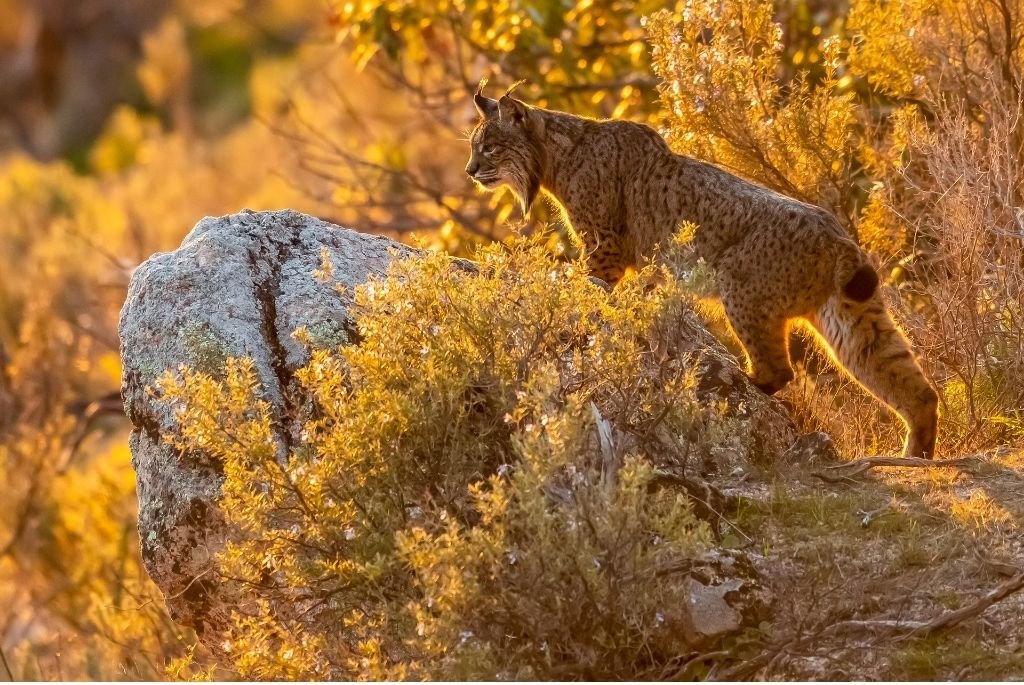
A lynx’s life revolves around European rabbits, which make up over 80% of its diet. These cats are patient stalkers, using rocky outcrops and gnarled holm oaks for cover, closing in silently until they launch a sudden, lightning-fast pounce. When rabbit populations crash — due to disease or drought — lynxes struggle to survive, highlighting the delicate balance between predator and prey in Mediterranean ecosystems.
Little-Known Facts About the Iberian Lynx
Beyond the usual headlines, here are some fascinating and little-shared truths about the Iberian lynx in Portugal:
- Each lynx has a unique spot pattern: Much like a fingerprint, no two lynxes share the same spot configuration. Conservationists use these markings to identify individuals in camera-trap images.
- Lynx kittens have high mortality rates: Around 50% of lynx cubs born in the wild don’t survive their first year, making each successful birth a triumph for the species.
- Rabbits aren’t just food, they’re the key: Conservation efforts often start not with the lynx, but with rewilding rabbit populations through habitat restoration, vaccination, and predator management.
- Highways pose a deadly threat: Many lynxes in Portugal have been killed while crossing roads. In response, new wildlife overpasses and underpasses are being built to connect safe habitats.
Conservation: A Portuguese Success Story in Progress
Portugal’s lynx recovery has become a model for transnational conservation. The IberLynx program, a partnership between Portugal and Spain, has built a network of breeding centers, monitoring teams, and public outreach projects. In Portugal, the CNRLI (National Iberian Lynx Reproduction Centre) near Silves breeds lynxes in semi-wild enclosures, preparing them for release into areas like the Guadiana Valley.
Local farmers and landowners are crucial allies. Some receive incentives to preserve habitat or adopt lynx-friendly practices. Environmental education campaigns in schools and villages also help dispel myths and build pride in the lynx’s return.
Still, challenges remain. Lynxes need large, connected habitats, with wildfires and human expansion threatening to fragment their range once again. But with careful stewardship, Portugal may yet become a sanctuary where the Iberian lynx not only survives, but thrives.
Why the Iberian Lynx Matters
Saving the Iberian lynx isn’t just about rescuing a beautiful cat from extinction. It’s about restoring an entire ecosystem. As a top predator, the lynx helps regulate prey species, maintain biodiversity, and balance natural systems.
Culturally, the lynx is woven into Iberian folklore. In old Portuguese tales, the lynx was a mysterious shadow — a sign of both wilderness and wisdom. Its comeback represents something deeper: that even in a world of highways and cities, it’s still possible to make room for the wild.
How to See the Iberian Lynx (Responsibly)
Spotting a lynx in the wild is extremely rare — but not impossible. Quiet hikes in Guadiana Valley Natural Park or joining specialist wildlife tracking tours offer the best chances. Local lodges near Mértola sometimes host workshops and field excursions.
To support lynx conservation, consider donating to organizations like ICNF or Rewilding Portugal, or volunteering in habitat restoration programs. Every action helps ensure that this ghost of the Mediterranean continues to roam free.

