

The Iberian wolf (Canis lupus signatus) is one of Europe’s most elusive and iconic predators. In Portugal, this remarkable subspecies survives mainly in the remote highlands of the north, where rugged mountains and ancient oak forests still shelter a remnant of true wilderness. For nature lovers, wildlife photographers, and conservationists, the Iberian wolf is a living symbol of Portugal’s wilder side — and a reminder of how fragile that wildness can be.
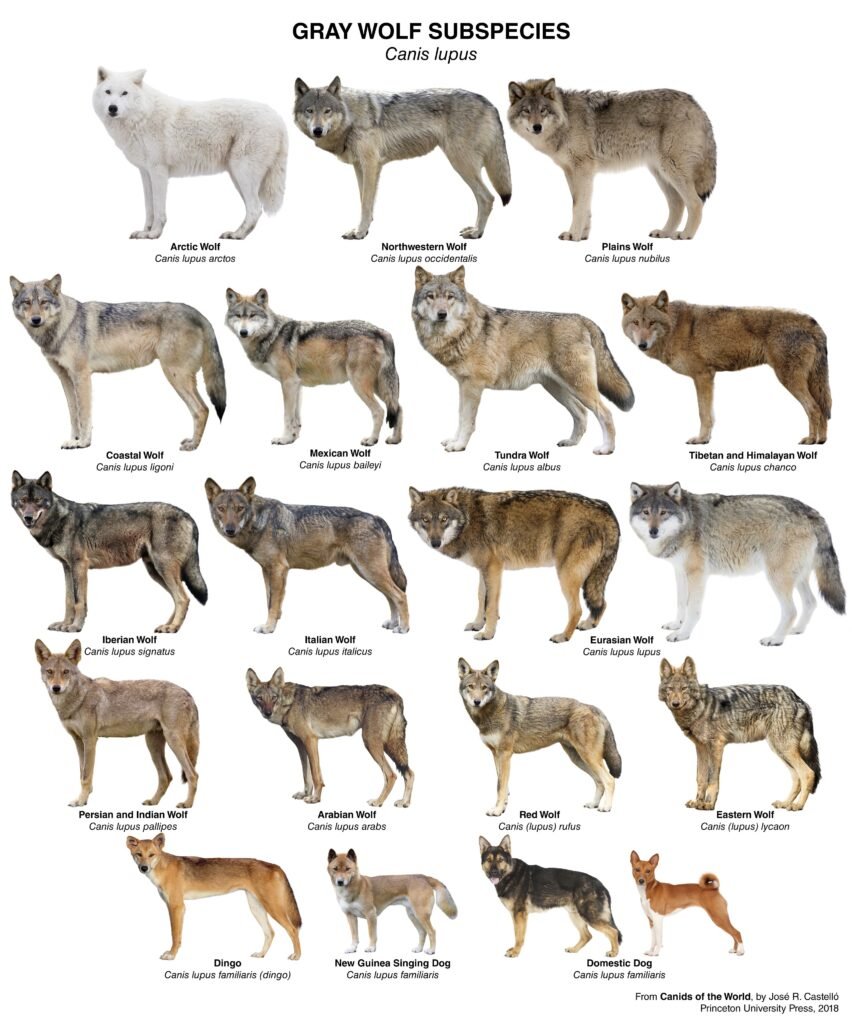
What Makes the Iberian Wolf Unique?
Unlike the larger grey wolves found in Eastern Europe and North America, the Iberian wolf is smaller, leaner, and genetically distinct. Its name, signatus, means “marked one,” a reference to its characteristic dark bands on the front legs and tail. Scientists believe this subspecies has been isolated on the Iberian Peninsula for thousands of years from other grey wolf populations, leading to its genetic uniqueness, adapting to a landscape shaped by humans, livestock, and scattered prey.
Where Do Iberian Wolves Live in Portugal?
Most of Portugal’s wolves roam the mountainous regions of northern Portugal — especially the Peneda-Gerês National Park and the remote plateaus of Trás-os-Montes. These areas offer dense forests, steep valleys, and abandoned farmland where wolves can hunt and raise their pups in relative safety.
A typical wolf territory in northern Portugal can cover up to 100 square kilometers. Packs are small, usually made up of a breeding pair and their offspring. Food is often scarce, so wolves rely on a mix of wild prey like roe deer and wild boar, as well as occasional livestock. Their ability to adapt to human-shaped landscapes has helped them survive in a country where truly untouched wilderness is rare.
Life of a Wolf Pack in the Portuguese Highlands
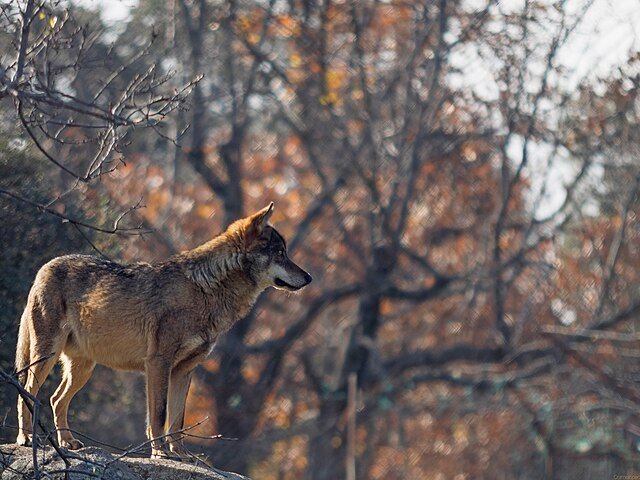
Daily life for the Iberian wolf is a delicate balance between secrecy and survival. At dawn, a wolf pack might rest in dense scrub or hidden among granite boulders. By dusk, they move silently along ancient shepherd trails, listening for prey or the distant clink of sheep bells.
In winter, heavy snow in the Serra da Gerês can drive deer down to lower valleys, offering the wolves a seasonal feast. In summer, packs often follow the scent of wild boar piglets rooting near chestnut groves. Because prey is unpredictable, wolves often cover vast distances each night — a ghostly presence that few villagers ever see, in spite of their proximity.
Little-Known Facts About the Iberian Wolf
Many online articles repeat the basics, but here are a few lesser-known facts about Portugal’s wolves:
- Stone wolf traps still dot the landscape: Known as fojos do lobo, these massive dry-stone pit traps were used by entire villages to capture wolves centuries ago. Some are preserved as cultural heritage today.
- They shape local folklore: In old Minho legends, the wolf is both a menace and a test of a shepherd’s skill. The Catholic church, particularly in medieval times, is known to have had significant influence in shaping cultural perception, typically characterising the wolf as a satanic marauder, appearing silently in the night to brutally attack the flock. This doubled as a metaphorical warning for the human “flock” to be vigilant and stave off evil forces.
- Rural abandonment affects them: Ironically, when people abandon grazing lands, wild prey can decline (when humans move out and domestic animals stop grazing, landscapes can become covered in dense undergrowth or scrub. This not only leads to the loss of many species that require open landscapes, but can also lead to increased fire frequency), pushing wolves to hunt livestock more often. Sustainable herding and the introduction of large wild or semi-wild herbivores (like Rewilding Portugal are carrying out with the Sorraia horse or the European Bison) can help reduce conflict and keep the ecosystem balanced.
Threats and Conservation Efforts
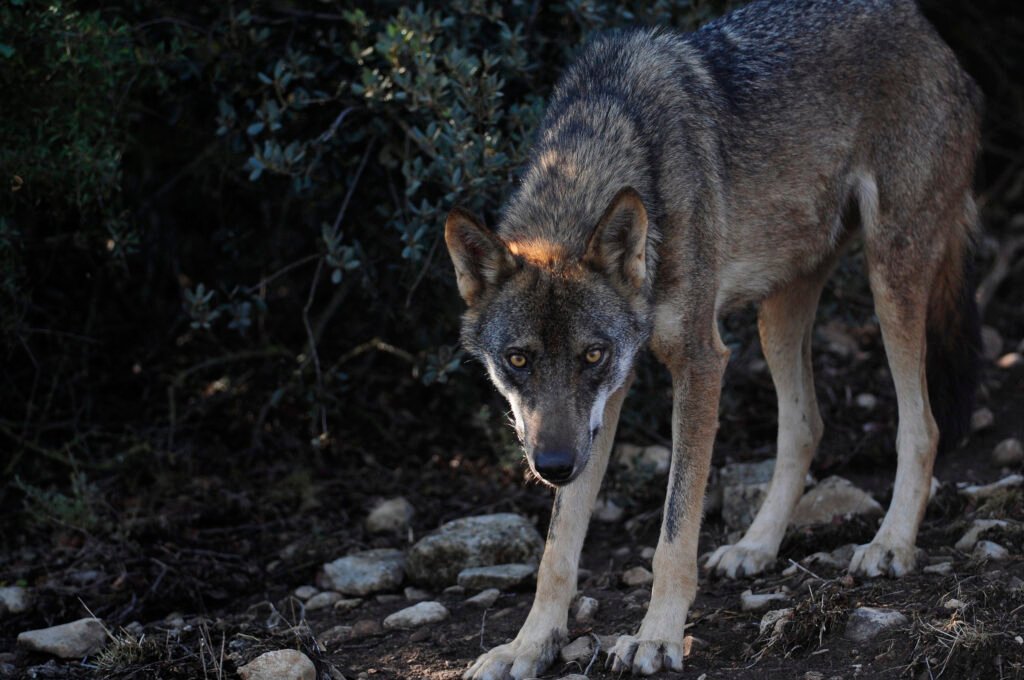
Today, an estimated 300 (approx.) Iberian wolves remain in Portugal, legally protected since the late 1980s. Despite this, illegal poisoning and traps still threaten packs, especially near farms with poor livestock protection. Expanding human infrastructure such as roads and wind farms also fragment wolf territories. Local and international conservation groups work with shepherds to reduce conflict—providing guard dogs, predator-proof fences, and compensation for livestock losses. Preserving Portugal’s wolves increasingly depends on supporting rural communities to coexist with these magnificent predators.
Why Protecting the Iberian Wolf Matters
Beyond its ecological role as a top predator, the Iberian wolf is part of Portugal’s natural heritage and cultural identity. Its survival means that wild places still exist — places where forests grow dense, deer roam free, and the howl of a wolf echoes through ancient valleys.
For travelers, hikers, and wildlife enthusiasts, northern Portugal offers a rare chance to explore this hidden world. To stand at dusk on a high ridge in the Peneda-Gerês mountains, listening for a distant howl, is to witness a glimpse of Europe as it once was: raw, unpredictable, and profoundly alive.
Plan Your Visit and Support Wolf Conservation
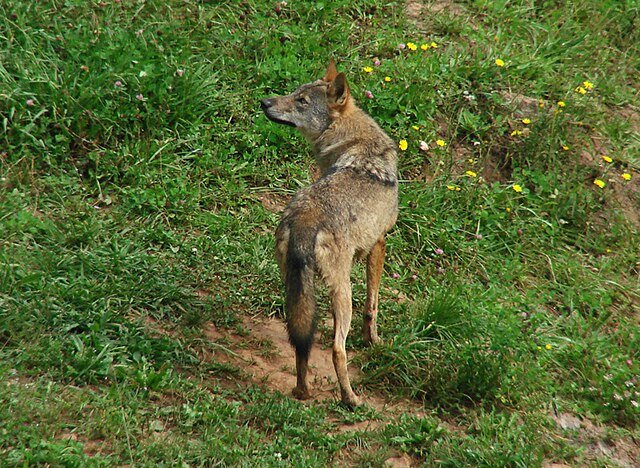
If you want to learn more about the Iberian wolf in Portugal, consider visiting Peneda-Gerês National Park or joining a guided wildlife tour. Always follow local advice to avoid disturbing wolf territories. Many local conservation groups, such as Grupo Lobo – Centro de Recuperação do Lobo Ibérico welcome donations or volunteers — a small way to help ensure that future generations can still hear the wild call of the Iberian wolf.

